
Current filter:
Published: 2 February 2026
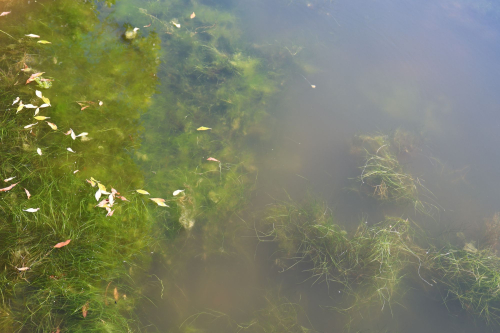
I want to begin by acknowledging how upsetting the recent tuna (eel) deaths in the Waiatāi Stream have been for so many. For mana whenua, landowners, and everyone with a strong connection to the area, this has been distressing to witness. I appreciate the deep care and kaitiakitanga (guardianship) shown by the community over the past month.
On Tuesday 13 January, following reports from landowners, our teams collected water samples from several locations in the Waiatāi and Ikanui streams. These samples were tested in accredited laboratories for a wide range of contaminants.
The results showed no evidence of petroleum or other toxic pollutants in the water when the sampling took place. The findings indicate the eel deaths were caused by a natural blackwater event, made worse by the combination of extreme heat and heavy rainfall in early January, which put the entire aquatic system under severe stress.
A blackwater event occurs when heavy rain washes large amounts of natural material, such as leaves, grasses, and wetland debris, into a stream. As this material breaks down, it rapidly consumes oxygen in the water. In this case, oxygen levels dropped to just 1.9 percent, which is effectively no oxygen at all. In healthy freshwater streams, oxygen levels typically sit above 80 percent.
With conditions changing so quickly and the stream under immense stress, even resilient species like tuna were unable to survive.
While this was a naturally driven process, we also recognise the landscape has changed over time. Reduced shading, altered wetlands, and warmer water can all make streams more vulnerable when sudden shifts in weather occur.
Looking ahead, there are steps that can be taken collectively to help build the resilience of the Waiatāi Stream.
Supporting native planting along the stream to help cool and protect the water
Restoring wetlands and natural stream flow paths so the land can slow and filter material before it reaches the stream
Keeping fish passages open, especially after heavy rain and during warmer months, so tuna can move to safer areas when conditions change quickly
More broadly, we are seeing changes in weather patterns across the region, with longer dry periods followed by heavier and more intense rainfall. These shifts place increasing pressure on streams, wetlands, and wider ecosystems, and their impacts are likely to be felt more frequently. Protecting the places communities care about will increasingly rely on collective action and community stewardship.
Hawke’s Bay Regional Council can support communities through advice, planning, and practical assistance, but long-term protection depends on working closely together at a local level.
Strengthening the health and mauri of the Waiatāi Stream is something we all care about, and we’re committed to working alongside mana whenua, landowners, and the wider community to protect it moving forward.
+64 6 835 9200
159 Dalton Street. Napier 4110
Private Bag 6006, Napier 4142
Disclaimers, Copyright & Privacy


Disclaimers and Copyright
While every endeavour has been taken by the Hawke's Bay Regional Council to ensure that the information on this website is
accurate and up to date, Hawke's Bay Regional Council shall not be liable for any loss suffered through the use, directly or indirectly, of information on this website. Information contained has been assembled in good faith.
Some of the information available in this site is from the New Zealand Public domain and supplied by relevant
government agencies. Hawke's Bay Regional Council cannot accept any liability for its accuracy or content.
Portions of the information and material on this site, including data, pages, documents, online
graphics and images are protected by copyright, unless specifically notified to the contrary. Externally sourced
information or material is copyright to the respective provider.
© Hawke's Bay Regional Council - www.hbrc.govt.nz / +64 6 835 9200 / info@hbrc.govt.nz